
Protecting the Operations That Feed Your Community
Restaurant Insurance in Atlanta for businesses facing property damage, liability claims, and operational disruptions
A kitchen fire that halts service for three weeks, a customer slip-and-fall lawsuit that exceeds your liability limits, or a refrigeration failure that spoils thousands of dollars in inventory—these aren't hypothetical risks in the restaurant industry. Farmers Insurance – Justin Windsor provides restaurant insurance in Atlanta that addresses the layered exposures food service operators manage daily, from front-of-house liability to back-of-house equipment breakdowns. Coverage structures shift based on whether you operate a fast-casual concept, a full-service establishment, or a catering operation, because each model carries distinct risk profiles.
Restaurant insurance combines property protection for your building and contents, general liability coverage for customer and third-party claims, equipment breakdown protection for costly kitchen systems, and business interruption coverage that replaces lost income when operations stop unexpectedly. In Atlanta's competitive restaurant environment, where margins are tight and customer expectations are high, a single uninsured event can force permanent closure. Policies account for specific risks like liquor liability if you serve alcohol, spoilage coverage for perishable inventory, and employee practices liability as your team grows.
Request a restaurant insurance assessment to identify coverage gaps specific to your concept and location.
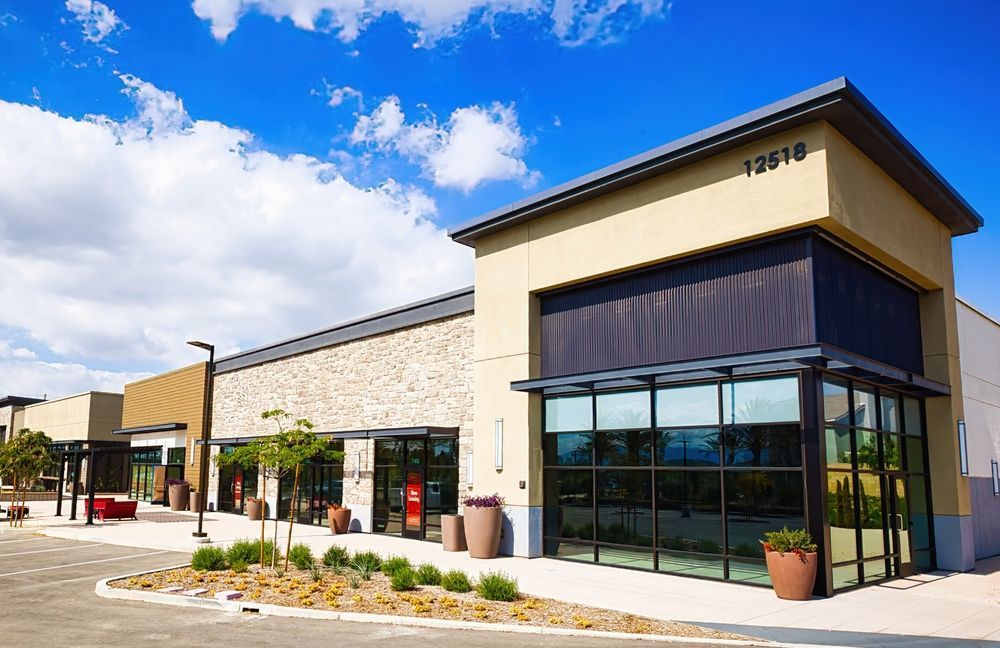
How Coverage Adapts to Different Restaurant Models
A pizza delivery operation faces different risks than a fine dining restaurant with an extensive wine cellar, and policy structures reflect those distinctions. Delivery-focused businesses require higher auto liability limits and hired/non-owned vehicle coverage, while establishments with significant alcohol sales need liquor liability protection that responds to claims involving intoxicated patrons. Equipment values vary widely—a bakery with commercial ovens and mixers has different property coverage needs than a salad bar concept with minimal cooking equipment.
After you secure appropriate coverage, your financial exposure to catastrophic losses drops significantly. Farmers Insurance – Justin Windsor structures policies so that a grease fire damaging your kitchen results in repairs covered under property insurance and lost revenue replaced through business interruption coverage, rather than out-of-pocket costs that drain operating capital. A lawsuit from a customer alleging food poisoning triggers your liability coverage instead of forcing you to hire legal representation at full retail cost. Your focus stays on menu development and customer service rather than scrambling to cover uninsured losses.
Policy reviews should happen annually and whenever you add locations, change your menu concept, or expand seating capacity, because each operational change affects your risk exposure. Coverage that worked for a 50-seat restaurant may fall short once you expand to 100 seats and add a full bar. Understanding the difference between actual cash value and replacement cost coverage for equipment determines whether you receive depreciated payouts or full replacement funding after a loss.
Questions Restaurant Owners Ask Before Purchasing Coverage
Atlanta restaurant operators frequently ask how coverage limits and deductibles affect their premiums and protection, especially when comparing quotes across multiple carriers and trying to balance affordability with adequate protection.
What happens if a customer claims food poisoning and files a lawsuit?
Your general liability coverage responds to bodily injury claims, covering legal defense costs and settlements up to your policy limits, which is why many operators carry at least one million dollars per occurrence to handle serious claims without exhausting their coverage.
How does business interruption coverage calculate lost income?
Policies typically replace net profit and continuing expenses like rent and utilities based on your financial records from before the loss, covering the period needed to repair damage and resume normal operations, which can extend weeks or months depending on the severity.
Does my policy cover employee theft or customer robbery?
Crime coverage, often added as an endorsement, protects against employee dishonesty and theft of money or inventory, while robbery coverage addresses losses from armed holdups or burglaries, both common concerns in cash-heavy restaurant environments.
What equipment breakdowns are covered beyond basic property damage?
Equipment breakdown coverage extends to mechanical or electrical failure of refrigeration units, HVAC systems, and cooking equipment, responding to losses that standard property policies exclude because they don't result from external perils like fire or vandalism.
How do I determine the right liability limits for my concept?
Consider your annual revenue, the number of customers you serve, whether you serve alcohol, and your lease requirements, because landlords in Atlanta often mandate minimum liability limits of one to two million dollars, and higher-volume establishments benefit from umbrella policies that add excess liability protection.
Farmers Insurance – Justin Windsor evaluates your current operations, reviews your lease obligations, and assesses your risk tolerance to build coverage recommendations aligned with your growth plans. Schedule a consultation to review how restaurant insurance protects both your physical assets and your revenue stream in Atlanta's demanding food service market.